




INI to PDF: The Universal Config
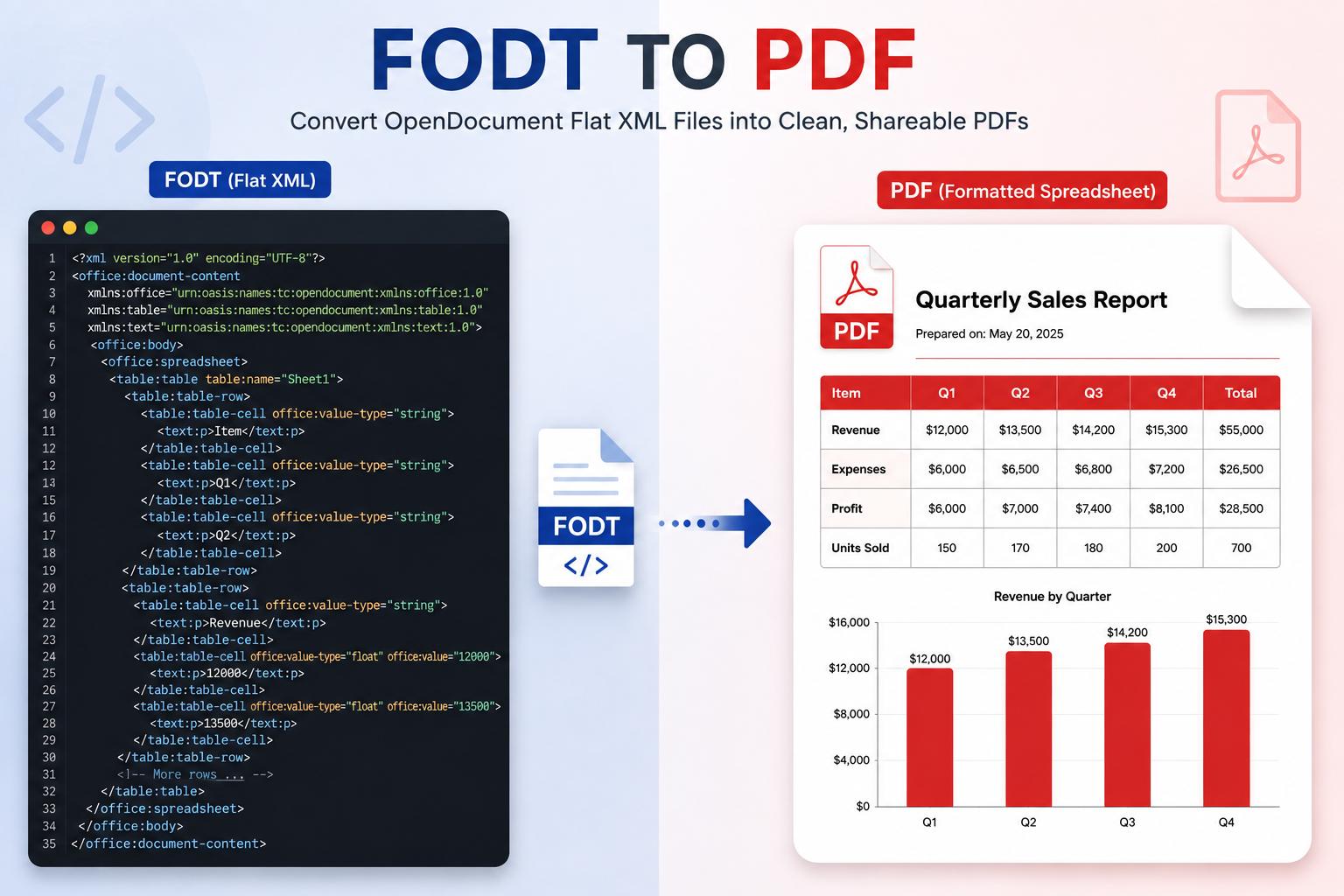
Convert INI, CFG, and CONF configuration files into structured, readable PDF documents. Preserve your server settings and application configurations in a secure format.
Simple, Human-Readable Settings
The INI format (Initialization) is one of the oldest and most enduring ways to store configuration. Its simple structure—Sources, Keys, and Values—makes it universally understood.
While JSON and YAML have grown in popularity, INI remains king for system-level configurations and legacy Windows applications. Converting these files to PDF ensures you have a backup of your settings that won't be accidentally edited by a stray keystroke.
Security Best Practices
Configuration files often contain sensitive secrets like API keys or database passwords. When converting these to PDF for documentation, it is critical to redact these values.
Redaction Pattern
Password=******** // replaced before conversionStructure of an INI File
INI files are defined by Sections (enclosed in brackets) and Properties (key=value pairs). This structure maps perfectly to a document format.
[Database]
Server=192.168.1.10
Port=5432

[Logging]
Level=DEBUG
Path=/var/log/app.log
Unlike JSON, INI doesn't strict syntax handling for trailing commas or quotes, making it robust but sometimes messy to read without syntax highlighting.
Use Cases for Config Documentation
- Server Provisioning: Print out the "Golden Image" configuration for SysAdmins to reference physically in data centers.
- Game Modding: Share standard `.ini` tweaks for game performance in a read-only guide format.
- Change Management: Document before/after states of configuration files during system upgrades.
- Embedded Systems: Archive the factory default settings for hardware devices.
Secure Your Settings
Create a permanent record of your configuration files.